
What Is an Insurance Protection Gap and Why Does It Matter?
An insurance protection gap is the share of a financial loss that insurance does not cover. Learn what creates gaps, why they matter, and how to review your coverage.
An insurance protection gap is the share of a financial loss that insurance does not cover. Learn what creates gaps, why they matter, and how to review your coverage.
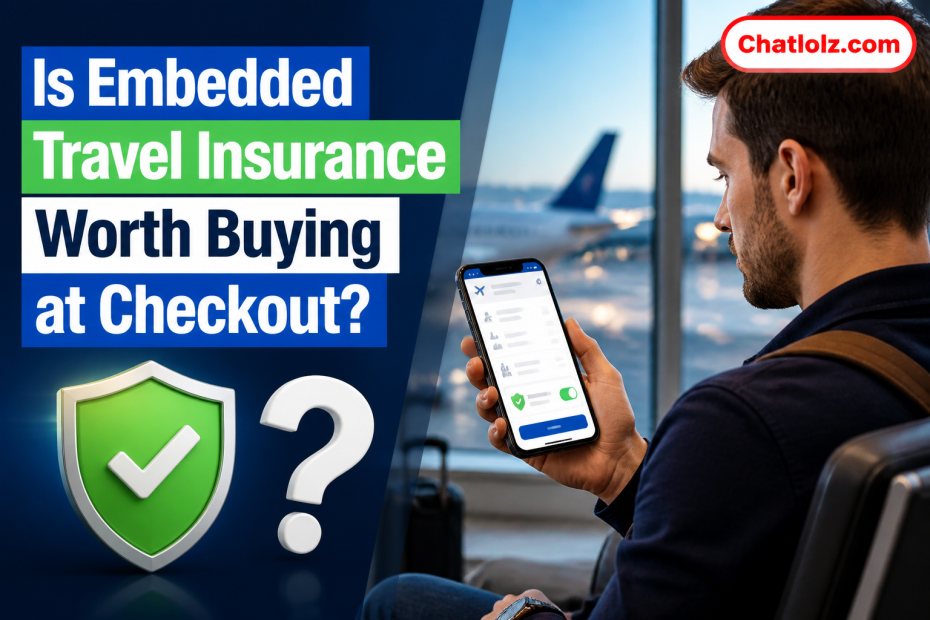
Embedded travel insurance may protect nonrefundable trip costs or cover medical gaps, but its value depends on policy terms, exclusions, price, and benefits you already have.
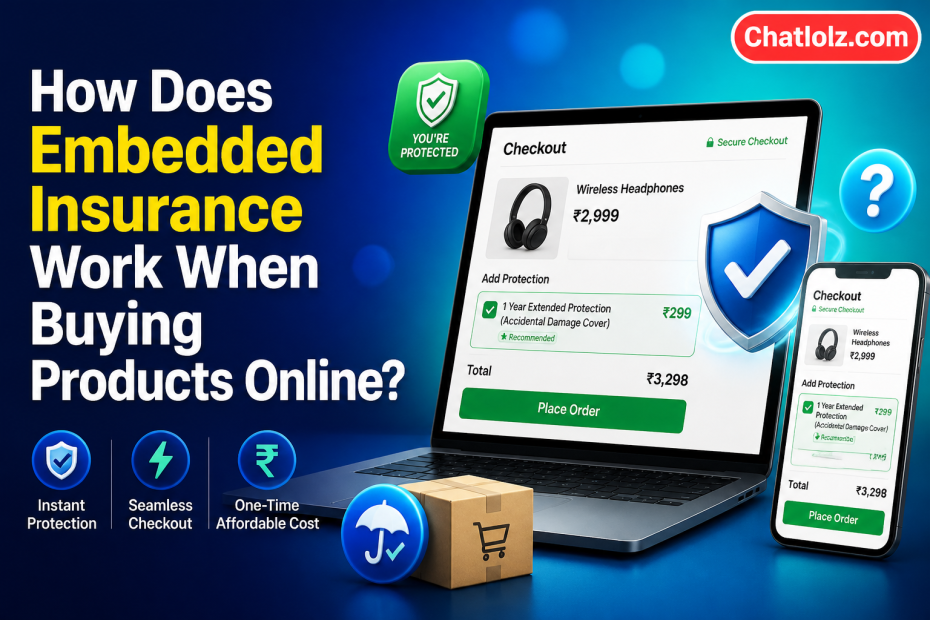
Learn how embedded insurance appears at online checkout, who provides the coverage, what policy terms to check, and how it differs from warranties and service contracts.
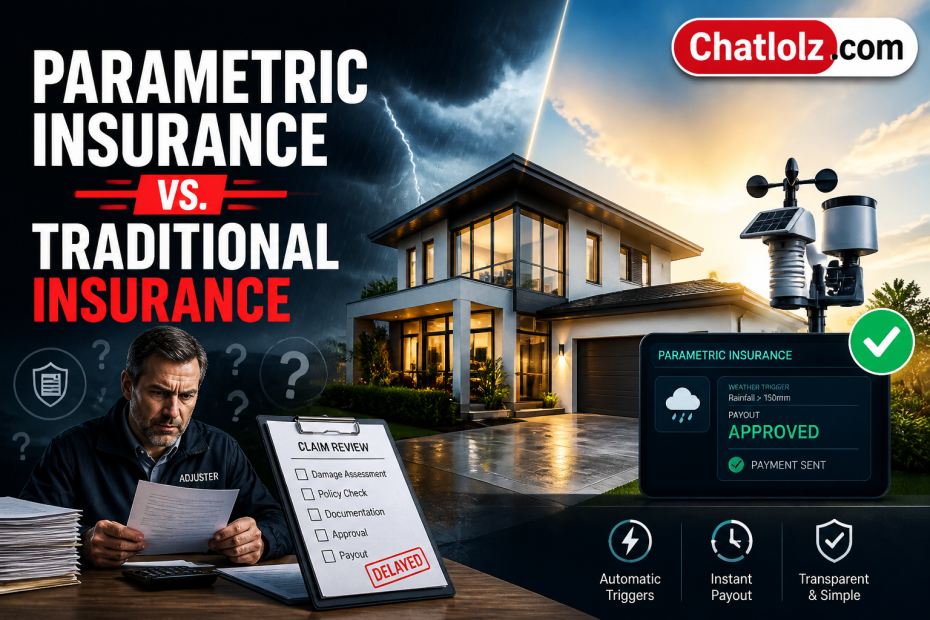
Parametric insurance pays when a defined trigger is met; traditional insurance assesses covered loss. Compare payout rules, claims steps, basis risk, and use cases.
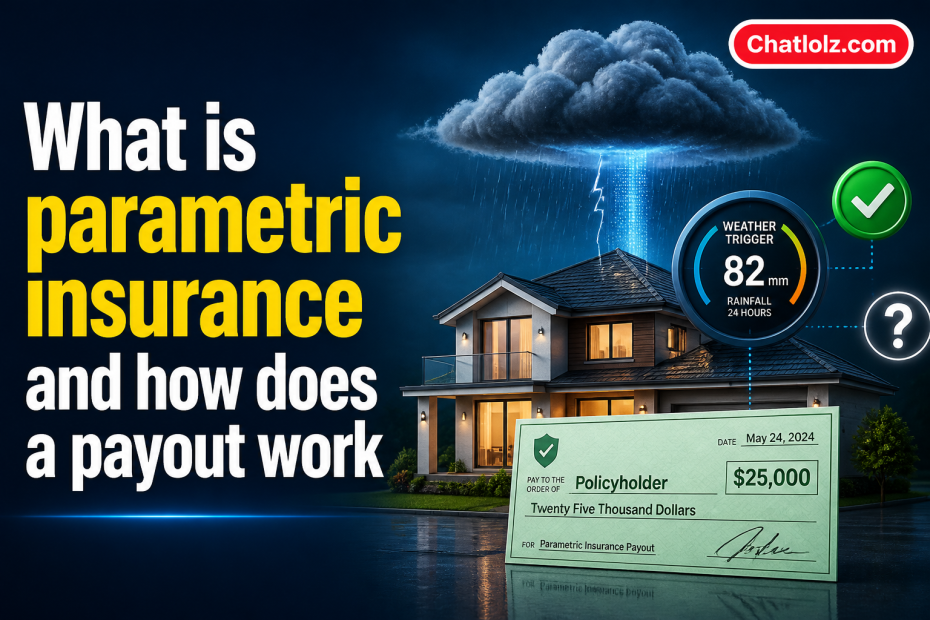
Parametric insurance pays when a defined index meets a policy trigger—not simply after a loss assessment. Learn how measurements, payout schedules, and basis risk work.
Home insurance may cover wind, hail, or some snow-related damage, but flood and earthquake losses are often excluded. Learn what policy terms, deductibles, and next steps to check.
Social engineering fraud coverage may protect against certain scam-related transfers, but cyber policy terms vary. Learn what BEC means and what to check before relying on coverage.
Climate risk can affect home-insurance prices and availability, but it is only one factor. Learn what hazards insurers consider, how flood coverage differs, and what to review at renewal.

AI-generated phishing is not automatically covered or excluded by cyber insurance. Learn how policy wording, social-engineering endorsements, limits, and payment controls affect claims.

Cyber insurance may help small businesses manage ransomware costs, but protection depends on policy wording, limits, exclusions, approval rules, and the facts of the incident.